Category: Home Improvement

  • Organic Methods for Tree Health

    Organic Methods for Tree Health

    Maintaining the health of fruit trees, particularly apple trees, is a priority for gardeners seeking sustainable and environmentally friendly practices. Organic methods offer effective solutions to nurture trees, enhance fruit quality, and protect ecosystems. This article explores practical, organic approaches to tree health, with a focus on apple trees, tailored to the British climate and gardening preferences. It includes expert insights and actionable advice for gardeners aiming to cultivate thriving orchards or single trees without synthetic chemicals.

    Organic Tree Health

    Organic tree health revolves around fostering natural resilience in trees through soil management, pest control, and nutrient supply without synthetic inputs. For apple trees, which are popular in British gardens due to their adaptability to temperate climates, organic methods align with the growing demand for chemical-free produce. The approach requires understanding the tree’s needs, from rootstock to canopy, and creating conditions that mimic natural ecosystems. Gardeners can achieve this by focusing on soil fertility, biodiversity, and preventive care, ensuring trees remain productive for decades.

    A nursery specialist from Fruit-Trees, a reputable UK-based supplier, emphasises the importance of starting with healthy stock when adopting organic methods. “Selecting disease-resistant varieties and robust rootstocks is the foundation of organic tree health. When you buy fruit trees, ensure they come from certified nurseries to avoid introducing pests or diseases. Regular organic care, such as mulching and companion planting, supports long-term vitality.” This advice underscores the value of sourcing quality trees, a critical step for organic success.

    Soil is the cornerstone of organic tree health. Healthy soil supports root development, nutrient uptake, and water retention. Organic matter, such as compost or well-rotted manure, improves soil structure and encourages microbial activity. In the UK, where clay and loamy soils are common, incorporating organic matter annually helps maintain fertility. For apple trees, a slightly acidic to neutral soil pH (6.0–7.0) is ideal. Testing soil pH every few years ensures optimal conditions, and gardeners can adjust acidity using natural amendments like sulphur or lime if needed.

    Organic Soil Management

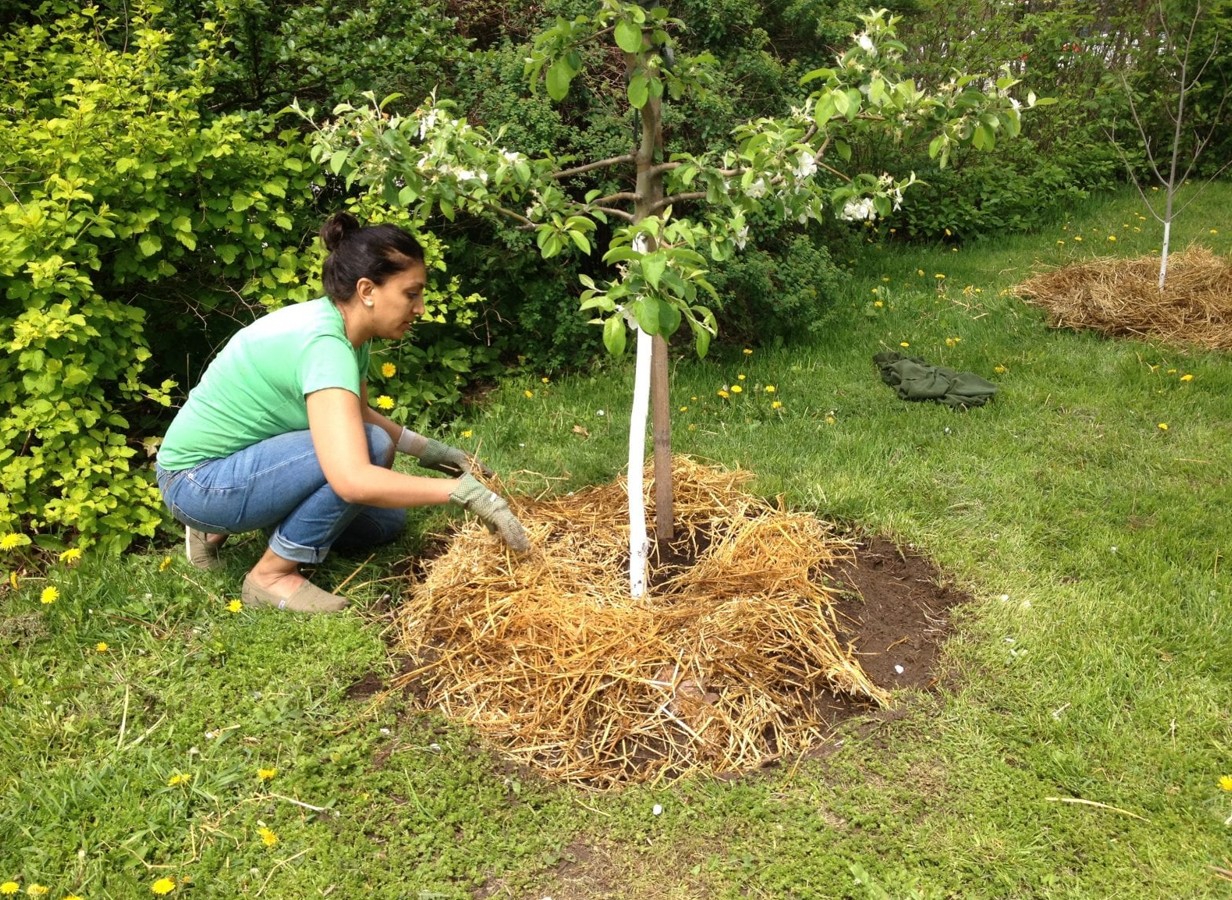
    Effective soil management begins with mulching, a practice that conserves moisture, suppresses weeds, and enriches the soil. Organic mulches, such as straw, wood chips, or leaf mould, are applied in a 7.5–10cm layer around the tree’s base, keeping a small gap near the trunk to prevent rot. Mulching in late winter, when the soil is moist but not waterlogged, prepares trees for the growing season. Over time, earthworms and microorganisms break down the mulch, enhancing soil fertility. For apple trees, mulching also regulates soil temperature, protecting roots from summer heat or winter frost.

    Compost is another vital tool for organic soil health. Homemade compost, made from kitchen scraps, grass clippings, and garden waste, provides a balanced nutrient source. Applying a 5cm layer of compost around the tree’s root zone in early spring delivers essential nutrients like nitrogen, phosphorus, and potassium. Unlike synthetic fertilisers, compost releases nutrients slowly, reducing the risk of overfeeding. Gardeners can supplement compost with organic fertilisers, such as dried poultry manure pellets, which are high in nitrogen and suitable for fruit trees.

    Cover crops, such as clover or vetch, offer a dynamic approach to soil management. Planted around the base of apple trees, these crops fix nitrogen in the soil, improve structure, and attract beneficial insects. In spring, cover crops can be cut and left as mulch, adding organic matter. This method is particularly effective for young trees, which benefit from enhanced soil fertility during establishment. When planning to buy fruit trees, gardeners should consider varieties grafted onto semi-dwarfing rootstocks like MM106, which are well-suited to organic systems due to their moderate vigour and adaptability.

    Natural Pest and Disease Control

    Pest and disease management is a challenge in organic gardening, but apple trees can thrive with preventive and natural strategies. Common pests, such as aphids, codling moths, and apple sawflies, can be controlled without resorting to chemical sprays. Encouraging biodiversity is a key tactic. Planting companion plants like marigolds, chives, or nasturtiums near apple trees repels pests and attracts predatory insects, such as ladybirds and lacewings, which feed on aphids. Hedgerows or wildflower strips around the garden further enhance biodiversity, creating habitats for natural pest predators.

    Physical barriers provide another layer of protection. Kaolin clay, a natural mineral, can be sprayed on apple trees to create a protective film that deters insects like codling moths and Japanese beetles. This organic solution, available at garden centres, is applied at petal fall and washed off before harvest. Sticky traps and pheromone traps are also effective for monitoring and reducing pest populations. For example, pheromone traps disrupt the mating cycle of codling moths, a common apple tree pest in the UK.

    Disease prevention is equally critical, as apple trees are susceptible to issues like apple scab, powdery mildew, and fire blight. Choosing disease-resistant cultivars, such as ‘Discovery’ or ‘Grenadier’, reduces the need for interventions. Proper pruning, conducted in late winter, improves air circulation and sunlight penetration, minimising conditions that foster fungal diseases. Organic treatments, such as sulphur-based sprays, can be used preventively against apple scab and powdery mildew. These sprays, derived from natural sources, are diluted in water and applied during early spring to protect emerging buds.

    Trichoderma, a beneficial fungus, offers an innovative organic solution for disease control. Available in powder or granule form, it can be applied to pruning wounds or sprinkled around the tree’s base to combat pathogens. This treatment is particularly effective against fungal parasites and supports overall tree health. Gardeners should follow product instructions carefully, as organic treatments require precise application to be effective.

    Nutrient Management Without Synthetics

    Fruit trees, especially apple trees, are heavy feeders, requiring a steady supply of nutrients to produce quality fruit. Organic nutrient management focuses on delivering balanced nutrition through natural sources. Potassium, essential for bud and fruit development, can be supplied through wood ash or organic potassium fertilisers applied every three years. Nitrogen, critical for leaf and shoot growth, is provided by compost, manure, or leguminous cover crops. Phosphorus, which supports root development, is abundant in bone meal or rock phosphate, both approved for organic use.

    Feeding should occur in late winter or early spring, just before active growth begins. A balanced organic fertiliser, such as one with a 10-10-10 N-P-K ratio, can be sprinkled around the root zone at a rate of 100g per square metre for dessert apples. Cooking apples, like ‘Bramley’s Seedling’, may require 50% more to support their vigorous growth. Soil testing every few years helps gardeners tailor feeding regimes, ensuring trees receive adequate nutrients without excess, which can lead to lush foliage at the expense of fruit.

    For gardeners looking to buy fruit trees, selecting self-fertile varieties simplifies nutrient management, as these trees do not require cross-pollination partners. Self-fertile apple cultivars, such as ‘Cox’s Orange Pippin’, are ideal for small gardens and reduce the complexity of maintaining multiple trees. 

    Pruning and Structural Care

    Pruning is a cornerstone of organic tree health, shaping the tree’s structure and promoting productivity. For apple trees, pruning is typically done in late winter, when the tree is dormant, to remove dead, damaged, or crossing branches. This practice enhances air circulation, reducing the risk of fungal diseases, and directs energy toward fruit production. Organic gardeners should use clean, sharp tools to make precise cuts, minimising stress on the tree. Applying Trichoderma to pruning wounds further protects against infections.

    Training young apple trees into open, goblet-shaped structures maximises sunlight exposure and fruit quality. Espalier or fan-trained trees, popular in British gardens, are particularly suited to organic systems, as their compact forms simplify pest monitoring and care. When planning to buy fruit trees, gardeners should inquire about pre-trained forms, which save time and ensure proper structure from the outset. Nurseries often offer step-over or cordon apple trees, ideal for small spaces and organic management.

    Watering and Environmental Considerations

    Water management is critical for organic tree health, especially in the UK’s variable climate. Apple trees require consistent moisture, particularly during establishment and fruit development. Organic gardeners can use drip irrigation or soaker hoses to deliver water efficiently, reducing waste. Mulching, as mentioned earlier, conserves soil moisture, minimising the need for frequent watering. During drought periods, deep watering once a week is preferable to shallow, frequent applications, as it encourages deep root growth.

    Environmental factors, such as wind exposure and frost, also affect tree health. Planting apple trees in sheltered locations or using windbreaks, such as native hedgerows, protects against damage. In frost-prone areas, choosing late-flowering cultivars, like ‘Falstaff’, reduces the risk of frost damage to blossoms. Organic gardeners can further enhance resilience by fostering biodiversity, which stabilises the garden ecosystem and supports tree health.

    Sourcing Quality Trees

    The success of organic methods depends on starting with healthy, high-quality trees. When gardeners buy fruit trees, they should prioritise certified nurseries that adhere to strict health standards, such as those inspected by DEFRA. Selecting trees on appropriate rootstocks, such as M26 for dwarfing or MM106 for semi-dwarfing, ensures compatibility with garden size and organic care practices.

    Heritage and local varieties, such as ‘Norfolk Royal’ or ‘Keswick Codlin’, are often well-adapted to the British climate and resistant to local pests and diseases. These cultivars, available from specialist suppliers, add diversity to gardens and preserve traditional flavours. Gardeners should verify the provenance of both scion and rootstock, ensuring they are virus-free and raised with minimal chemical inputs.

    Long-Term Organic Success

    Organic tree health is a long-term commitment that rewards gardeners with bountiful harvests and sustainable gardens. By integrating soil management, natural pest control, nutrient balance, and careful pruning, apple trees can thrive without synthetic interventions. Regular monitoring, such as checking for pest activity or disease symptoms, allows gardeners to address issues promptly. Keeping records of feeding, mulching, and pruning schedules helps refine practices over time, tailoring care to each tree’s needs.

    Community resources, such as local gardening groups or online forums, provide valuable insights and support for organic gardeners. Sharing experiences with others cultivating apple trees in the UK can inspire new techniques and solutions. Additionally, resources from organisations like the Royal Horticultural Society offer detailed guidance on organic practices, complementing nursery advice.

    Conclusion

    Organic methods for tree health empower gardeners to cultivate apple trees that are resilient, productive, and environmentally friendly. By prioritising soil fertility, biodiversity, and natural pest control, British gardeners can enjoy healthy trees and high-quality fruit for years. Starting with quality stock from trusted suppliers, as advised by CRJ FruitTrees, sets the foundation for success. Whether managing a single tree or a small orchard, these organic practices offer a sustainable path to gardening excellence, aligning with the UK’s growing interest in eco-conscious horticulture.

  • Exploring Different Types of Turf

    Exploring Different Types of Turf

    Turf plays a crucial role in various aspects of our lives, from enhancing the aesthetic appeal of residential and commercial properties to providing essential recreational spaces for sports and leisure activities. The significance of turf extends beyond mere aesthetics; it contributes to environmental health, soil stability, and biodiversity. Natural turf, in particular, serves as a habitat for numerous species, including insects, birds, and small mammals, fostering a balanced ecosystem.

    Moreover, it plays a vital role in carbon sequestration, helping to mitigate climate change by absorbing carbon dioxide from the atmosphere. In urban settings, turf can significantly improve air quality by filtering pollutants and producing oxygen. The presence of green spaces, including parks and lawns, has been linked to improved mental health and well-being.

    Studies have shown that access to green areas can reduce stress levels, enhance mood, and promote physical activity. Furthermore, turf provides essential surfaces for various sports and recreational activities, from soccer fields to golf courses, facilitating community engagement and promoting a healthy lifestyle. Understanding the multifaceted importance of turf is essential for making informed decisions about its use and management.

    When considering turf supplies in Hervey Bay, one must weigh the benefits and drawbacks of natural versus artificial turf. Natural turf is composed of living grass and offers a range of ecological advantages. It provides a cooling effect through evapotranspiration, which can help lower surrounding temperatures in urban areas.

    Additionally, natural grass absorbs rainwater, reducing runoff and minimizing the risk of flooding. However, maintaining natural turf requires significant resources, including water, fertilizers, and pesticides, which can have environmental implications if not managed responsibly. On the other hand, artificial turf presents a low-maintenance alternative that eliminates the need for mowing, watering, and chemical treatments.

    This can be particularly advantageous in regions with water scarcity or where maintaining natural grass is economically unfeasible. However, artificial turf is often criticized for its environmental impact; it is typically made from non-biodegradable materials like polyethylene or polypropylene, which can contribute to landfill waste at the end of its life cycle. Furthermore, artificial surfaces can become excessively hot in direct sunlight, posing potential health risks for users.

    Each option has its merits and challenges, making it essential to consider specific needs and circumstances when choosing between natural and artificial turf.

    Different Types of Natural Turf

    Natural turf encompasses a variety of grass species tailored to different climates and uses. Cool-season grasses thrive in northern regions where temperatures are moderate. Varieties such as Kentucky bluegrass, fescue, and ryegrass are popular choices due to their lush appearance and resilience during cooler months.

    Kentucky bluegrass is particularly favored for its rich color and ability to self-repair through underground rhizomes. Fescue grasses are known for their drought resistance and adaptability to various soil types, making them suitable for low-maintenance lawns. Conversely, warm-season grasses are ideal for southern climates where temperatures soar during summer months.

    Bermuda grass is a prevalent choice for sports fields and golf courses due to its durability and ability to withstand heavy foot traffic. Zoysia grass is another warm-season option that offers a dense mat and excellent drought tolerance but may require more time to establish initially. Additionally, there are specialized grasses designed for specific applications; for instance, fine fescue blends are often used in shaded areas or low-traffic zones due to their fine texture and shade tolerance.

    Understanding the characteristics of these different types of natural turf is essential for selecting the right grass for specific environmental conditions and intended uses.

    Different Types of Artificial Turf

    Artificial turf has evolved significantly since its inception in the 1960s, with advancements in technology leading to a variety of options tailored for different applications. The most common type is polyethylene turf, which mimics the look and feel of natural grass while providing durability and low maintenance. This type is often used in residential lawns, playgrounds, and sports fields due to its soft texture and resistance to wear.

    Another popular option is nylon turf, known for its strength and resilience. It is often utilized in high-traffic areas such as stadiums or commercial sports facilities where durability is paramount. Nylon fibers can withstand heavy use without losing their shape or integrity.

    Additionally, there are infill systems that enhance the performance of artificial turf by providing cushioning and stability; these can include rubber granules or sand that help mimic the feel of natural soil. For specialized applications, such as pet-friendly areas or golf putting greens, there are specific types of artificial turf designed with unique features. Pet-friendly turf often incorporates antimicrobial properties to reduce odors and facilitate easy cleaning.

    Golf putting greens may utilize shorter fibers with a denser construction to create a smooth surface that mimics the conditions found on professional courses. The diversity within artificial turf options allows consumers to select products that best meet their specific needs while considering factors such as aesthetics, functionality, and maintenance requirements.

    Choosing the Right Turf for Your Needs

    Selecting the appropriate type of turf involves careful consideration of various factors including climate, intended use, budget, and maintenance capabilities. For homeowners looking to create a lush lawn that enhances curb appeal while providing a space for family activities, natural turf may be the preferred choice. However, those living in arid regions or areas with water restrictions might find artificial turf more suitable due to its low water requirements.

    For sports facilities or public parks where heavy foot traffic is expected, durability becomes a critical factor in the decision-making process. In such cases, artificial turf may offer significant advantages due to its ability to withstand wear without requiring extensive maintenance. Conversely, if environmental sustainability is a priority, opting for natural grass could align better with eco-friendly practices that promote biodiversity and soil health.

    Budget considerations also play a significant role in the decision-making process. While the initial installation cost of artificial turf may be higher than that of natural grass, the long-term savings on maintenance costs can make it an attractive option over time. Conversely, natural turf may require ongoing investments in water, fertilizers, and pest control but can provide aesthetic benefits that some homeowners find invaluable.

    Ultimately, understanding personal priorities and evaluating the specific context will guide individuals toward making an informed choice regarding their turf needs.

    Maintenance and Care for Different Types of Turf

     Natural Turf Maintenance

    Natural turf demands regular care to thrive. This includes mowing at appropriate heights to encourage healthy growth while preventing weeds from taking over. Fertilization schedules should be established based on soil tests to ensure that grass receives adequate nutrients throughout the growing season.

    With Australian lawn care, watering practices must be adjusted according to seasonal changes; deep watering encourages root development while preventing shallow root systems that can lead to drought stress. Weed control is another critical aspect of maintaining natural turf; this may involve manual removal or the application of herbicides when necessary. Aeration can also be beneficial in alleviating soil compaction and promoting healthy root growth.

    Seasonal Maintenance for Natural Turf

    Seasonal overseeding can help maintain a lush appearance by filling in bare patches or enhancing overall density.

    Artificial Turf Maintenance

    In contrast, artificial turf requires significantly less maintenance but still necessitates periodic care to ensure longevity and performance. Regular brushing helps keep fibers upright while removing debris such as leaves or dirt that can accumulate over time. Infill materials may need replenishing periodically to maintain optimal performance levels. Cleaning artificial surfaces with water or specialized cleaning solutions can help remove stains or odors associated with pets or spills. While artificial turf eliminates many traditional lawn care tasks associated with natural grass, it is essential to follow manufacturer guidelines for maintenance to maximize its lifespan and performance. Understanding these differences in care requirements allows property owners to make informed decisions about which type of turf aligns best with their lifestyle and maintenance preferences.

  • Enhance Your Property with Block Paving Services for Driveways

    Enhance Your Property with Block Paving Services for Driveways

    Block-paved driveways have now gained much popularity among people wishing to improve their home exterior and the practicality of their living space. These driveways, built with separate pieces of solid materials such as concrete, clay, or stone offer numerous advantages. With professional block paved driveway services, these benefits can be achieved to the maximum by making your home have a long-lasting, beautiful and low-maintenance driveway.

    1. Enhanced Aesthetic Appeal

    Block paving is aesthetically pleasing due to the ability to create patterns and designs of your preference that are appropriate for your house. This is so because the colours, shapes as well as sizes allow one to make his or her own preference. Block paving is done in a way that it forms a pattern which offers the property high values of beauty once they are properly installed by professional workers. Responsible for the appearance of the house entrance, a well-made Driveway can change the appearance of the house completely.

    2. Durability and Longevity

    Block paved driveways are easy to manage, they can take very heavy loads and some of the worst weather conditions. And being made from sturdy material they are not prone to crack or wear off easily. If it is damaged, the only part that would require replacement is the block that was damaged, and this makes replacement easier and cheaper and as a result, increases the life of the driveway. This means that block paved surfaces can last for several years.

    3. Low Maintenance

    The upkeep of a block-paved driveway is rather easy. It is swept periodically and is washed occasionally hence making it clean. Wanted and unwanted plants in joints can be controlled using chemicals referred to as weed-killers. Other professionals can apply sealants for protection against stains and prevent weed growth which would reduce the need for maintenance. Low maintenance driveway is cost-effective in the sense that one is not required to spend so much of his/her time and money in maintaining it.

    4. Increased Property Value

    A professionally laid block paved driveway increases the value of a home and property. It is eye-catching and useful in attracting the people that come to the house. Paving your home’s driveway is an excellent way of gaining a good return when selling your house because of its well-designed aesthetic-looking feature that is also hard-wearing with little need for frequent maintenance. 

    5. Improved Safety and Accessibility

    Block paved driveways are slip-resistant and this increases safety for pedestrians and cars on the driveway. The blocks are rough, and thus, less slippery than a smooth floor, which means fewer accidents because of slipping is witnessed. Professional installation that is done here ensures that the ground is flat and hence easily accessible by the elderly or any person with a disability in movements. 

    To sum up, hiring block paved driveway services is very advantageous in a way that it provides perks like aesthetics, durability, lesser maintenance, and added value to the property. Professional installers introduce the skills and experience that are needed to produce a quality finish that will withstand the standard wear and tear, meaning that it will be money well spent for any homeowner. Since it is safer and easier to install as compared to other paving methods, block paving should be considered to boost the exterior looks of your house.

  • The Charm of Oval Bathroom Mirrors

    The Charm of Oval Bathroom Mirrors

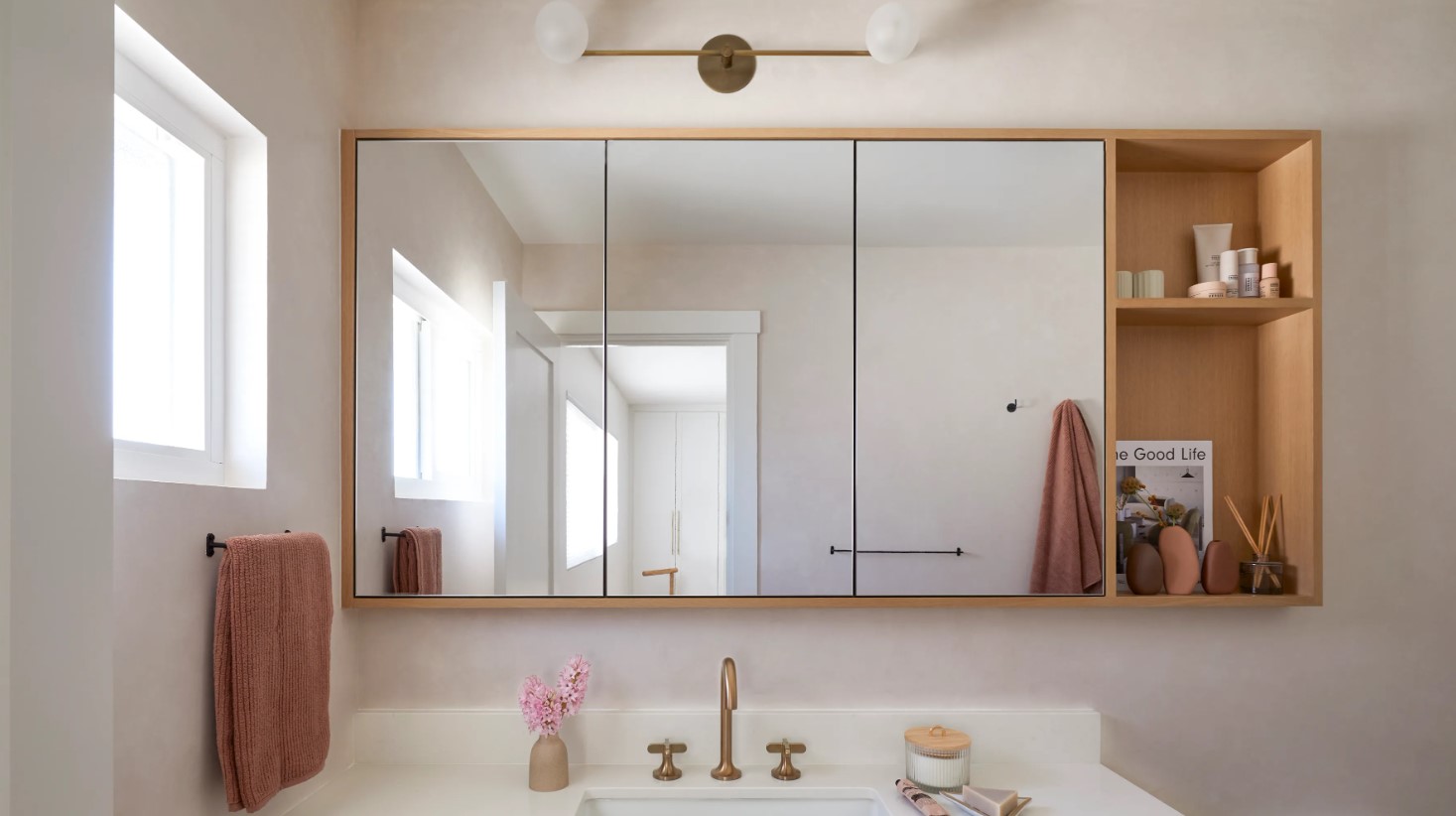
    Oval bathroom mirrors are stylish and add a nice and elegant feel to any bathroom space. The shape of the products is traditional, and therefore, the acquisition of these mirrors will help to breathe nobility and strict classic style into the bathroom. Therefore, when choosing mirror shapes, it is better to contemplate some other form, such as an oval, that contributes to a flowing appearance, which is ideal for almost any interior design.

    What are the benefits of choosing oval bathroom mirrors?

    Oval mirrors stand out for several reasons: 

    Soft, Elegant Shape: Unlike rectangular or square-coloured mirrors, oval mirrors give a softer look since they are more rounded than angular. This gentle curve can go a long way toward ensuring that the washroom is balanced and does not appear harsh in any way, thus making the environment more relaxing.

    Versatility in Design: Frameless mirrors’ shapes can be oval, and these types of mirrors are universal; they will fit both classic and contemporary interiors. The solid structure of their form can complement a retro style or add sophistication to any modern interior. 

    Visual Appeal: Patterned and oval mirrors can become the ‘jewel’ of a bathroom’s design. Their distinctive form is eye-catching and attracts more attention compared to less striking alternatives. An oval mirror is not very large, yet it can effectively become the focal point of a room, which is why it is so suitable for the bathroom.

    How Oval Mirrors Increase the Efficiency of Bathrooms

    Oval mirrors not only improve the aesthetics of a bathroom but also enhance its functionality.

    Reflecting Light: The oval mirrors are excellent because they will reflect light throughout the house, which will make the environment seem more spacious. This is especially true where there is minimal natural light, particularly in areas such as the bathroom.

    Creating Illusions of Space: To say more about decoration, an oval-shaped mirror is rather tender in form, and it can visually enlarge a small bathroom. Oval-shaped mirrors will reflect more of the room environment, hence being more effective in giving the illusion of a large space.

    Balanced Reflection: Oval mirrors are the most common type of mirror as they offer the centre area reflecting symmetry behind the mirror, which is perfect when framing a face for grooming or applying makeup. They are even, and the flattening of the mirror reflects the general, clear, and even incidence of the view.

    Maintenance of Oval Bathroom Mirrors 

    To make the oval bathroom mirror last longer, you should note the following: Here are a few tips to keep it in good condition: 

    Regular Cleaning: Clean the mirror with a mild glass cleaning solution and a soft piece of cloth in a manner that will not leave any streaks or smudges on the surface.

    Check for damage: Check the mirror and the frame for defects or scratches quite often. These can be fixed almost immediately to sustain the functionality and aesthetics of the mirror.

    Conclusion

    Oval bathroom mirrors are good when it comes to design, and they also can bring a new look to your bathroom. Thanks to their distinctive form and the variety of possible uses, they can look equally good in a classic or contemporary-style bathroom. It is possible to suggest that the choice of such a naive accessory as the oval mirror for a bathroom depends on the size of the bathroom, the style of the frame, and its location. If well maintained, these mirrors will remain to beautify and enhance the look of your beautiful bathroom for years to come.

  • Choosing the Perfect Blend of Style and Security with Composite Doors

    Choosing the Perfect Blend of Style and Security with Composite Doors

    Composite doors are gaining popularity among the homeowners, who want a combined beauty, strength, and security of the doors. In many aspects, these doors are more beneficial than wooden or uPVC doors which is the reason for them being used in new constructions as well as in the renovations. In this article we have highlighted all the information to know about composite doors and why they can be the best choice for any home. 

     What Are Composite Doors? 

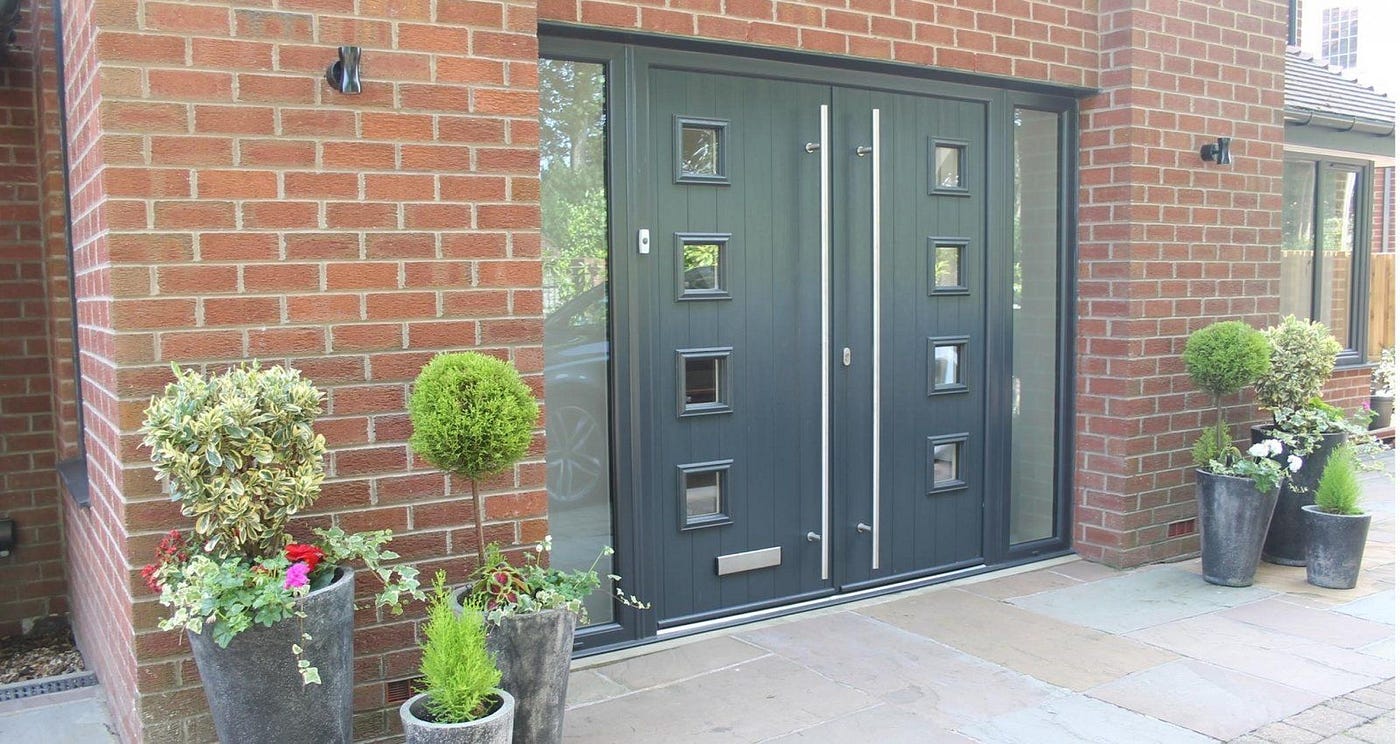
     Composite doors are constructed from more two or more materials with the common ones being solid timber, uPVC, and GRP. Such a structure means that the door takes advantage of the properties of each material, which produces a structure that is strong, can resist the breakage of the weather and withstand the test of time, and has a very positive aesthetic value. Outer skin can be GRP and can be preformed to appear to have wooden finish to give the door a traditional look while coming free from problems of natural wood. 

    In addition to the aesthetic and security benefits of composite doors, homeowners often seek comprehensive solutions for their entire property. This includes ensuring that all entry points, such as garage doors, are equally secure and stylish. For those in need of garage door repair Ashland, finding a reliable service provider is crucial to maintaining the overall safety and appearance of their home. By addressing both front and garage doors, homeowners can achieve a cohesive look that enhances curb appeal while providing peace of mind. This holistic approach to home security and design ensures that every aspect of the property is both functional and visually appealing.

     Benefits of Composite Doors 

    1. Superior Durability 

      Composite doors are incredibly long-wearing. Points like warping, cracking, and fading cannot affect them, because of the kind of material that has been used in their construction. This is to mean that they are able to endure the weather conditions and any other use, that they may come across and remain as new as they were for many years. 

    2. Enhanced Security 

     Firstly, every homeowner wants his or her home to be secure and composite. The timber core is quite dense, and the door comes with multi-point locking systems that common in most composite doors. As a result of the strong construction of the front door, it becomes hard for the invaders to penetrate it and thus feel secure. 

    3. Excellent Insulation 

     Composite doors have a good thermal efficiency function to act as insulators to ensure your room is warm during the cold seasons and cool during the hot seasons. Their construction materials offer some level of insulation which can be useful in lowering energy bills within the rooms. Furthermore, the doors are well insulated against sound, hence limiting the amount of noise that pervades the interior from the exterior. 

    4. Low Maintenance 

     Another advantage with composite doors over wooden doors is that they do not need to be painted or re-varnished time after time. The outer layer of the GRP is rather robust and does not scratch or dent along with being very easy to clean using soapy water. This makes composite doors the most useful and easy to be used by the busy house owners. 

    5. Aesthetic Appeal 

     Composite doors come in a well versatile concerning style, color, and finish, you can easily find a design that matches the rest of the house. It does not matter whether the homeowner wants to have the conventional style of the door or the new generation look, there is a composite door that will meet the need of a homeowner on the market. 

     Selecting a right composite door 

     When selecting a composite door for your home, consider the following factors:When selecting a composite door for your home, consider the following factors: 

    1. Style and Design 

     Consider the general appearance of the house and the type of the door and fix one, that will suit the general appearance of the house. Traditionalists can opt for a standard paneled door while the minimalist can go for a fully framed glass door, or anyone in between can go with the glass door having options for a variety. 

    2. Color and Finish 

     Composite doors are available in many colors and in various beautiful finish, ranging from standard wood look to the more vibrant colors of today’s modern styles. Pick a color that complements the external appearance of your house whilst at the same time expressing your personality. 

    3. Security Features 

     Ensure, the door you are selecting is a composite one so that in has additional securities like multi-point locking mechanisms and high security cylinder. Other specific qualities such as the anti-snap, anti-drill, and anti-pick features could also work in your favor in terms of protection for your door. 

    4. Energy Efficiency 

     Make sure that appropriate energy efficient rating of the door has been labeled on it in order to avoid energy loss whenever the door is opened and closed. In the case of choosing a good quality of composite door, thermal insulation should also be amongst the best. 

    5. Warranty and Aftercare 

     Purchase a door from a well-known supplier who will be able to provide the customer with a warranty and support in case of need. This means that you are well covered in any case that may arise, and thus you can freely appreciate your new door. 

    Composite doors are the best because they are long lasting, secure, well insulated, and eye-catching. These comes in different types of styles, colors and finishes that will equally complement the existing structure and design of homes and houses and apart from the aesthetic functions, they can offer durability and other useful purposes that make them worthy buys. So, whether you are choosing a new door to replace an old one on your property, composite doors are an intelligent decision that will enhance your living space for many years to come.

  • Why to invest in polished concrete floors?

    Why to invest in polished concrete floors?

    There are different options when you want to invest in floors. As per your liking, understanding or preference; you can choose the floor type that suits you the best.  You can check out polished concrete floors as these are becoming a popular choice for many homeowners and even businesses. Once you invest in them, you can experience a huge range of advantages like:

    A Greater Level of Durability and Proper Longevity

    Polished types of concrete floors are massively durable. They can endure any sort of heavy foot traffic and such a thing makes them perfect for both residential and even commercial spaces. Contrary to other types of flooring materials that may require to be replaced after a couple of years, polished concrete floors can stay for decades with proper or effective maintenance. Moreover, their hard surface resists stains, scratches, and even dents. All this means they stay looking good for a long duration.

    Sunken sidewalks, uneven driveways, and settling slabs often require more than a quick patch, which is why some property owners look into Helitech concrete leveling as a corrective option.

    Profitable 

    Well, the initial cost of installing polished concrete floors is often lower than other flooring options like hardwood, tile, or carpet. Moreover, considering their durability and low maintenance needs, these polished concrete floors get you massive long-term savings. These are also energy efficient. Their ability to absorb and retain heat can drop the overall heating costs in the winter, and their excellent surface can aid in lowering air conditioning expenses in the summer.

    Low Maintenance 

    Upkeep of polished concrete floors is easy and even cost-effective. Regular sweeping and even occasional mopping are, often enough time, to keep them clean. Yes, it simply means you don’t have to put much effort into ensuring cleanliness. You do not require special cleaners or treatments, and this reduces your cleaning expenses. Moreover, not to miss that polished type of concrete floors don’t need any sort of waxing or sealing, contrary to other types of floors that save both time and even money.

    Aesthetic Charm 

    Polished types of concrete floors have a sleek and even modern look that can boost the overall appearance of your space. These do come in various finishes, from high-gloss to even matte. You can even get them customised with different colours and even patterns to suit your specific style. Of course, you can talk to the providers and get it done. Not to miss that the reflective surface of polished type of concrete can even make rooms appear brighter and even much more spacious.

    Eco Friendly 

    Polished types of concrete floors are an eco-friendly choice. They most of the time use existing concrete slabs, even dropping the requirement for new materials. These can also contribute to enhancing indoor air quality because they do not really harbour dust, allergens, or even overall mould, contrary to carpet or wood flooring. Moreover, the installation process is somewhat also environmentally friendly, making use of lesser chemicals and producing less waste in comparison to other flooring options.

    Conclusion 

    To sum up, if you do invest in polished concrete floors, they do can offer you manifold advantages that would be fulfilling and comforting for sure.